
Then, the journal entry is moved into the ledger, in the form of a T account. A T-account isn’t a type of account in your What is partnership accounting books, but rather a device you use for visualizing how to record an accounting transaction. The balance on a T-Account is calculated by first totaling up all debits and adding them together.

What is the General Ledger

Likewise, accounts with a credit balance, like liabilities, will always increase when another credit is added to the account. Each T account carries the debit and credit entries for a different type of account, such as accounts receivable, cash, sales revenue, and so on. First, these debit and credit entries are posted into the journal, as a journal entry. The main thing you need to know about debit and credit entries is that they are the equal and opposite sides of a financial transaction. They’re simply words representing where cash is coming from, and where it’s flowing to, within a business. Let’s look at some more typical examples of how T accounts help you determine how to record a transaction, particularly when more than two accounts are involved.

Rent Expense Account
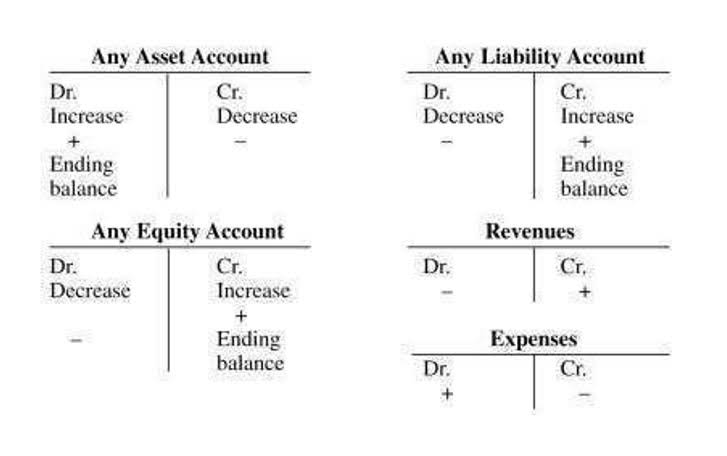
The debits are always transferred to the left side and the credits are always transferred to the right side of T-accounts. The debit entry of an asset account translates to an increase to the account, while the right side of the asset T-account represents a decrease to the account. This means that a business that receives cash, for example, will debit the asset account, but will credit the account if it pays out cash. T-accounts, with their straightforward structure, offer several advantages that enhance the accounting process. These visual tools are essential in accrual accounting for ensuring that financial statements reflect the true financial position of a company.
Service Revenue Earned but Uncollected
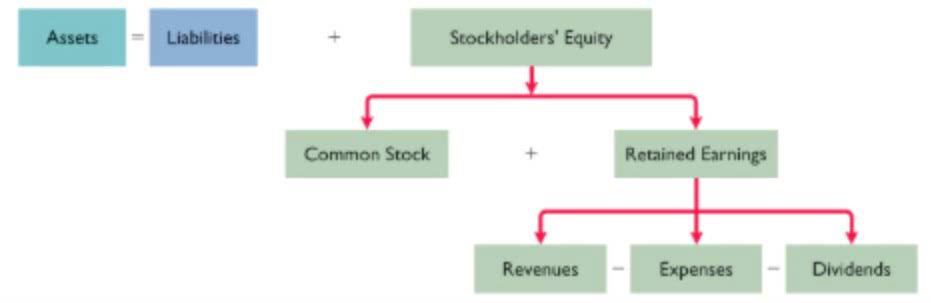
As a refresher of the accounting equation, all asset accounts have debit balances and liability and equity accounts have credit balances. Here’s an example of how each T-account is structured in the accounting equation. With that being said, the five most common types of accounts in financial accounting are assets, liabilities, expenses, revenue, and owner’s equity. A T account (or general ledger account) is a graphical representation of a general ledger account. The general ledger is an accounting report that sorts and records a business’ financial transactions, by account. Now that you have your framework, you can begin to record the purchase.
Would you prefer to work with a financial professional remotely or in-person?
Named for its resemblance to the Accounting For Architects alphabet ‘T’, the T-account separates debits and credits distinctly. Debits are recorded on the left side of the T, while credits find their place on the right side. This clear distinction aids in maintaining the balance that is fundamental to double-entry bookkeeping.
Journal Entry Tracking
After reviewing the transactions, prepare the necessary journal entries and post them to the necessary T- Accounts. The debit entries entered on the left side of the T account should always balance with the right side, or credit side of the account. We at Deskera have spent over 10 years working with small business owners from across 100+ countries, to build accounting software that suits any type of business. One of the best accounting software for small businesses today is Deskera. There’s an increase in the asset Cash and the revenue account, Service Revenue.
Office Expense Account
- Every financial transaction is first recorded as a journal entry, into the general journal.
- Therefore, both debits and credits are equal in this transaction.
- They give you a clear, visual snapshot of each account’s activity.
- The following T-account examples provide an outline of the most common T-accounts.
- The T account balance must be debited to increase the Cash account, since it is an asset account.
Remember that the sum of all amounts written on the left side of a T must balance with the amounts written on the right side of another T. Each T represents a separate account in your books or accounting software. Now you need a T-account that balances this debit with a credit (right column).
For example, all of the equipment transactions may roll up into an account called Property, Plant & Equipment (“PP&E”) on the balance sheet. This prepaid £6000 represents an asset because my landlord owes me 3 months usage of his property since I have paid rent in advance. I now have three month’s worth of rent paid for, so my prepayments (prepaid rent) account is debited £6000.